

Synthetic Rubber
The Foundation of Modern Elastomer Solutions
Synthetic rubber forms the foundation of numerous technical rubber and elastomer applications. In the Nordmann Rubber Compendium, you will find a wide-ranging portfolio of synthetic rubbers—from classic polymer types such as CR, EPDM, NBR, and IIR to high-performance elastomers such as FKM and FFKM.
Each of these materials offers a specific property profile: resistance to heat, chemicals, oils, or media; outstanding aging and weather resistance; excellent damping; or low permeability. This diversity makes synthetic rubber a central building block for applications in automotive, construction, industry, energy, chemicals, and many other markets.
The compendium demonstrates why synthetic rubber must always be considered as part of a system—in combination with fillers and rubber chemicals. It provides a structured overview of polymer types, properties, typical applications, and available grades, offering valuable guidance for development, procurement, and application.
Synthetic Rubber forms the structural foundation of rubber compounds and must always be considered in conjunction with fillers and rubber chemicals.
Explore the complete Synthetic Rubber chapter in the compendium and use in-depth material knowledge as the foundation for successful compounds and applications.
How to use this chapter
This chapter provides a structured overview of materials and functions within the Rubber Compendium.
For a complete compound evaluation, we recommend considering the other chapters in parallel.
The technical depth and detailed product information are provided in the Rubber Compendium.
FAQs
FAQs Rubber Compendium

Fillers

Rubber Chemicals

Rubber
Reach out to me for further information:

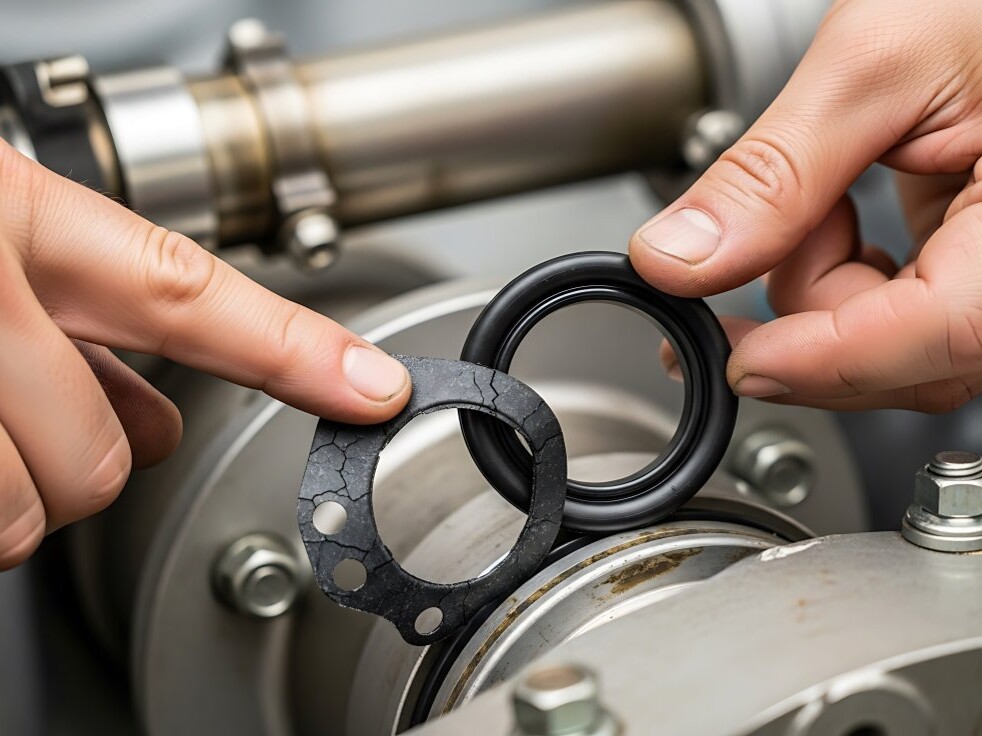
From antioxidants to ozone-protective waxes – everything from a single source

PFAS Restriction Process in Final Consultation Phase